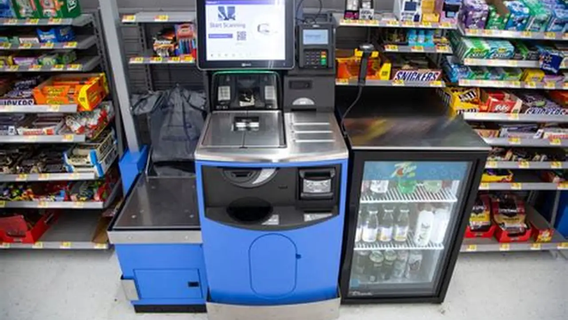
Walmart pulled the plug on its AI checkout scanners in all U.S. locations on January 19, 2026, after six months of trials exposed massive flaws. The technology, developed with Nvidia and rolled out in Bentonville, Arkansas, headquarters stores first, scanned items incorrectly 30% of the time. The corporation disclosed a $200 million write-down in a January 20 SEC filing.
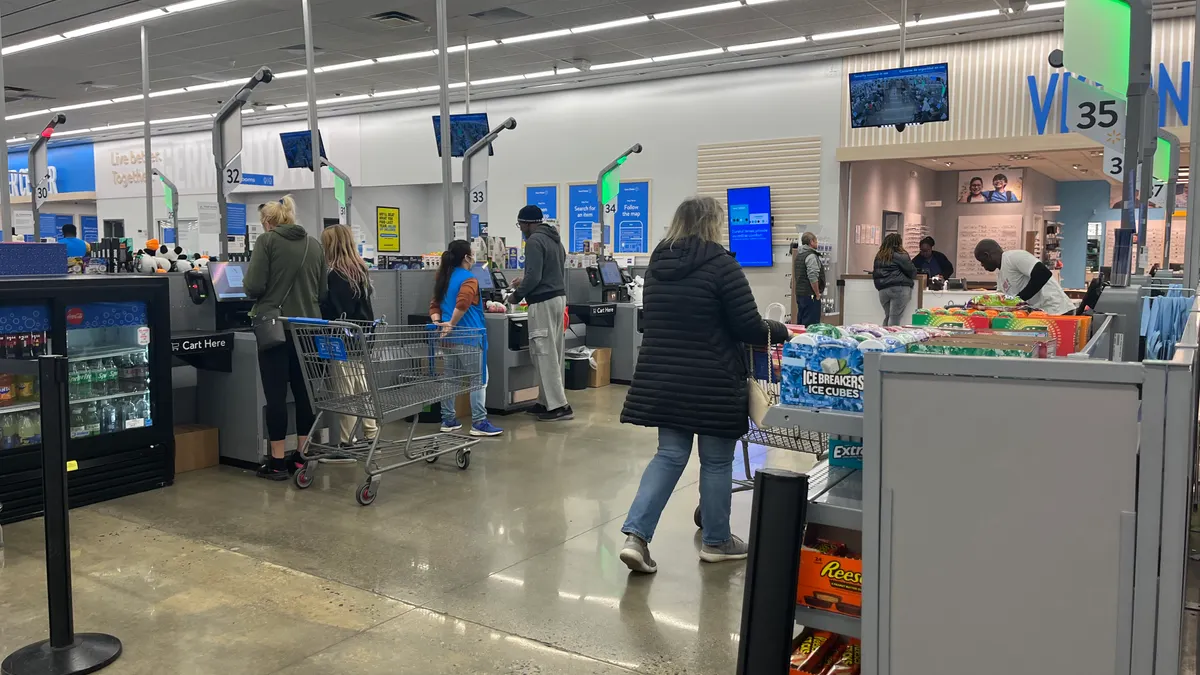
Predictably, thieves had a field day, swapping price tags or simply rolling carts out the door without paying. Internal audits, which someone at Walmart was smart enough to leak, show $120 million vanished in just the last quarter of 2025. Meanwhile, honest customers were bombarded with false alarms over basic groceries and clothes, and in places like Dallas and Atlanta, 15% just gave up and left their carts behind while waiting to check out.

As if the financial disaster wasn’t enough, Walmart is now facing lawsuits from angry customers. One class-action in Florida says shoppers were falsely accused and humiliated. The Federal Trade Commission is also circling, looking into what Walmart did with data from more than 200 million scanned transactions.
Chief Technology Officer Suresh Kumar announced the rollback during a January 20 investor call from Walmart's Bentonville campus. He said human cashiers return full-time, with $500 million budgeted for hiring 150,000 workers.

Kumar admitted the AI underperformed in “dynamic retail environments” despite $300 million invested in it since 2024. They lost over $500 million on people-less tech, customer theft, and lawsuits, and now they have to spend another $500 million to get people back. This should be a lesson to all the industries looking to lean into the “AI” craze.
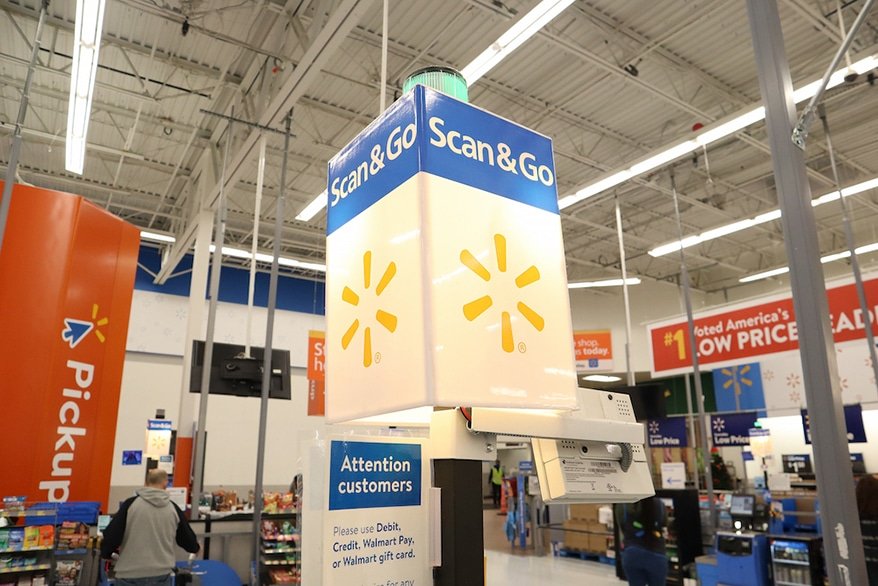
Competitors like Target and Kroger paused similar projects. Walmart stock dipped 2% to $185 on January 19 but recovered on news of the pivot back to human cashiers. CEO Doug McMillon emphasized reliable service over flashy tech in a memo to stores nationwide.