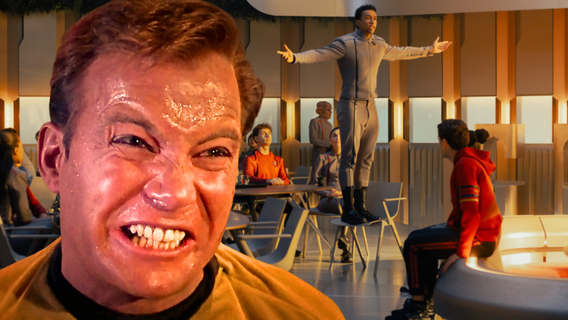
Star Trek: Starfleet Academy launched its first two episodes on Paramount+ on January 15, 2026, with weekly releases every Thursday through the season finale on March 12.
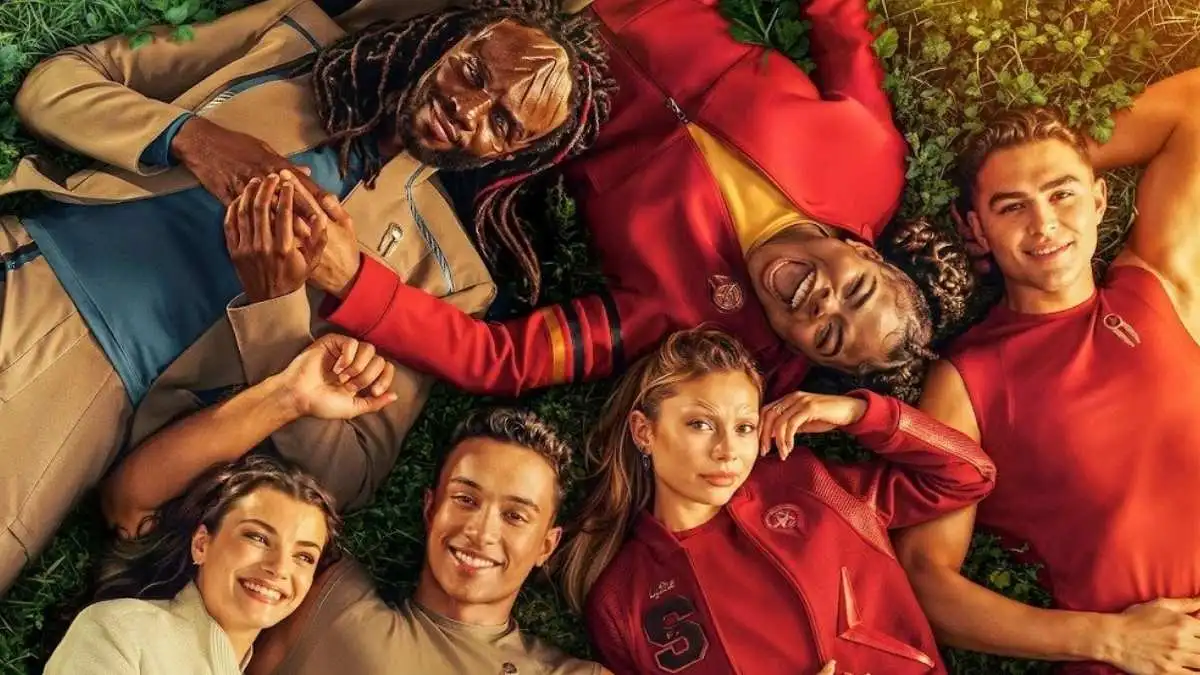
Set in the 32nd century, the show centers on a “fresh group of cadets” at the reopened Starfleet Academy in San Francisco. These young officers-in-training do everything except act like Starfleet officers.
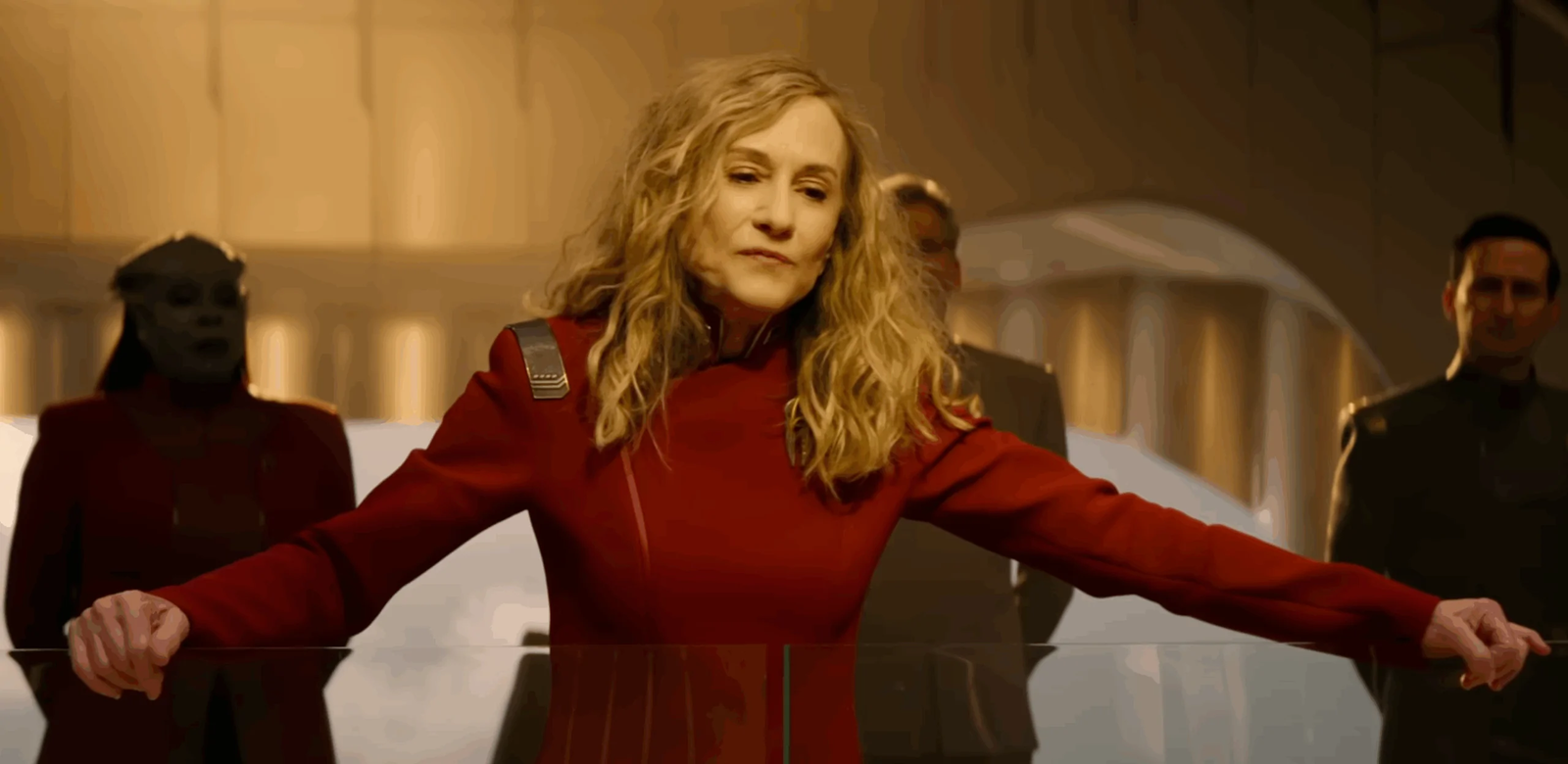
Holly Hunter stars as Chancellor Nhan, a half-Lanthanite captain leading the institution. The cadet ensemble includes Sandro Rosta as Caleb Mir, an orphan hunting for his lost mother, alongside Kerrice Brooks as a driven overachiever, Bella Shepard as a typical rebellious type, and Karim Diané as your usual cliche tech-savvy "outsider."
Familiar faces return with Robert Picardo reprising his role as the holographic Doctor from Voyager and Tig Notaro as engineer Jett Reno.
Gaia Violo created the series under executive producer Alex Kurtzman, targeting a “younger” demographic with what amounts to a lecture on modern sensitivities.
Critics and viewers alike have slammed the early episodes for feeling like a generic American high school show stuffed into Starfleet uniforms. Cadets whine about "trauma," prioritize personal feelings over protocol, and deliver eye-rolling quips (not the cheesy but cool ones like those of Kirk or Picard) that undercut any sense of discipline or adventure.
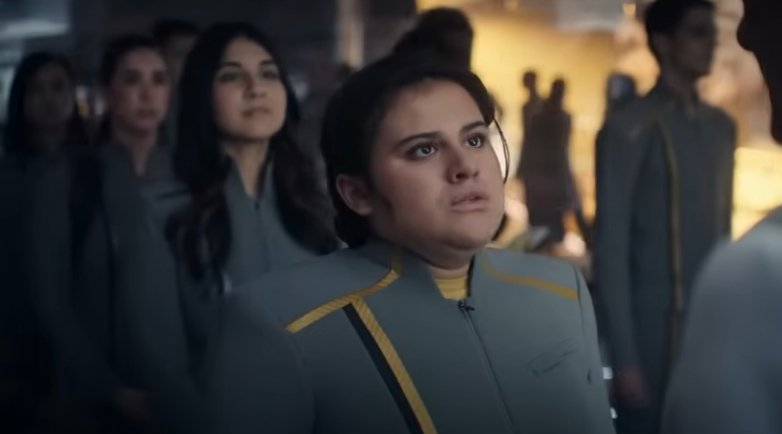
One review called it a shift from Star Trek's thoughtful probes into ethics, humanity, and society to endless navel-gazing on anger issues and hidden biases. The result comes across as predictable, sanitized, and disconnected from the original series' enduring appeal of intelligent characters tackling genuine challenges with resolve and principle.
The production leans into far-left fads that clash with the franchise's roots. Rather than focusing on merit-based command and bold discovery, it pushes weird love triangles, contrived conflicts, and heavy-handed moralizing that elevate “emotions” of the mentally ill above logic or duty.
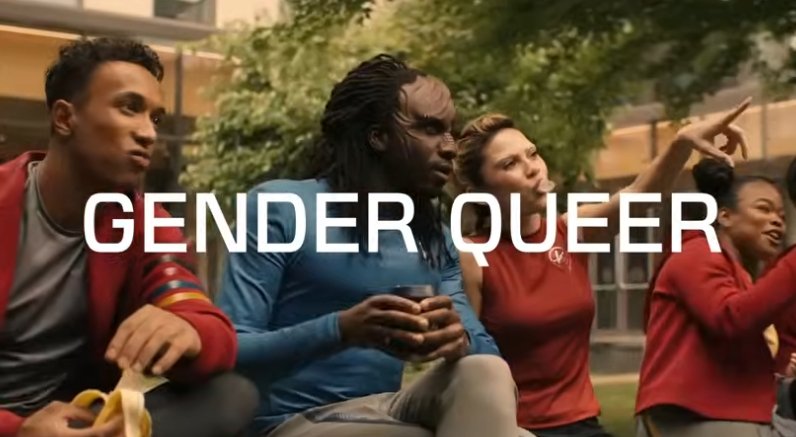
Longtime fans highlight the betrayal of canon, where officers once embodied poise and authority, not DEI body-positivity liberal influencers, and a “captain” acting like a moody teen in the command chair erodes the very idea of Starfleet as an elite, professional force built on excellence.
The Babylon Bee nailed this decline in their satire video, poking fun at how the show has become a self-parody where high ideals give way to trendy inclusivity and surface-level drama. Their clip distills the problem down into the basics.
This marks another misstep in the Kurtzman era of Trek. Shows like Discovery have already watered down the brand with over-the-top messaging, but Starfleet Academy doubles down by chasing a far-left audience with the exact kind of shallow storytelling that alienates core fans.
The premise held promise for examining rigorous training, post-crisis rebuilding, and the timeless values defining Starfleet. Instead, it wastes that potential on forgettable crap and a vague threat that barely registers as more than set dressing.
True fans deserve a return to what made Star Trek legendary.
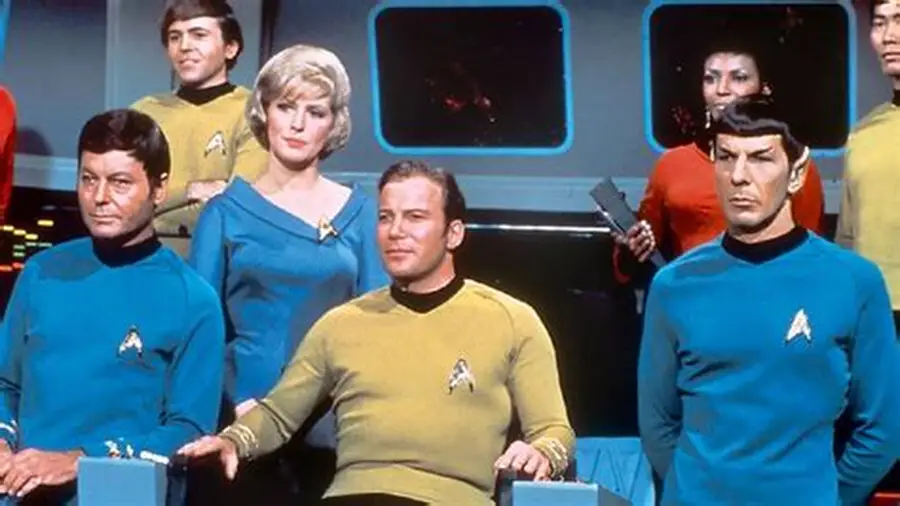
They had smart scripts, admirable heroes, and stories worth revisiting, tales that made you think, not this pandering nod to passing cultural trends.
If Paramount hopes to keep the franchise alive for another generation, they should honor the source material instead of twisting it into progressive propaganda, but apparently, they only want to use it as a liberal brainwashing tool.