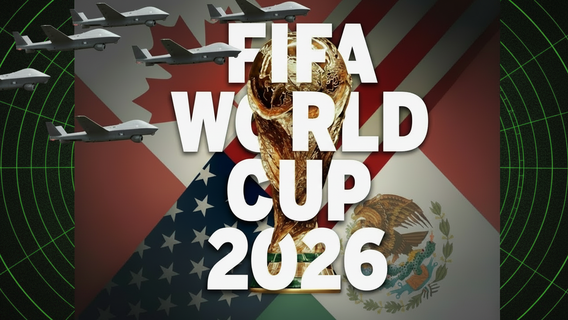
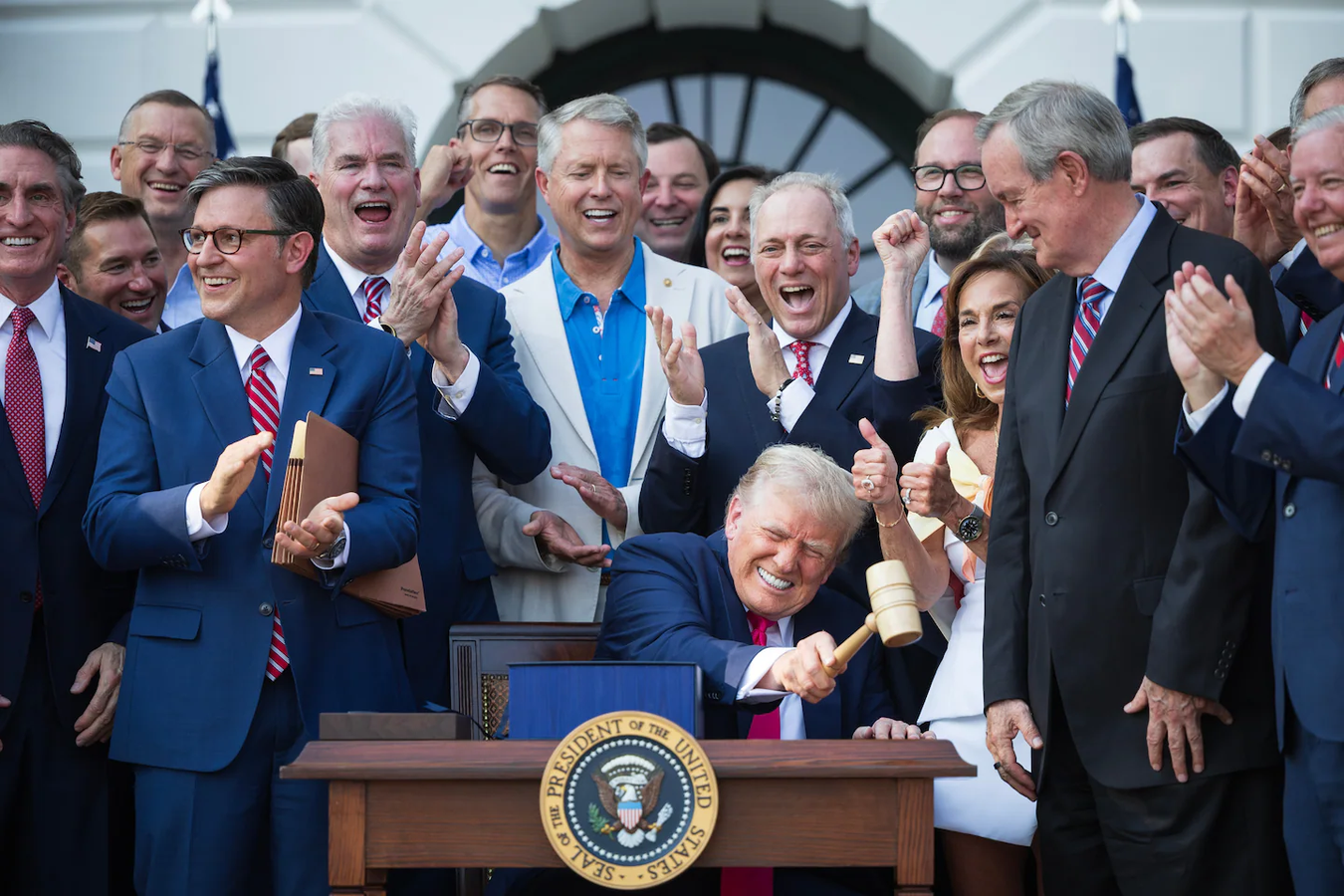
The Trump administration allocated $500 million through the Department of Homeland Security's Counter-Unmanned Aircraft Systems (C-UAS) Grant Program to equip state and local governments with anti-drone technologies for the 2026 FIFA World Cup, America's 250th anniversary events, and the 2028 Los Angeles Olympics.
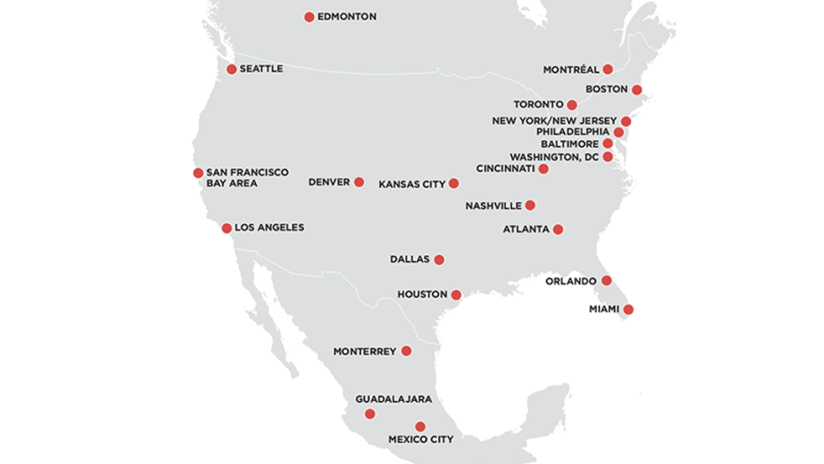
This funding, drawn from the "One Big Beautiful Bill" enacted in July 2025, prioritizes the 11 U.S. host cities for 78 of the tournament's 104 matches starting June 11, 2026, marking the largest domestic counter-drone effort in U.S. history by far.
This initiative involves extensive coordination not only across U.S. states but also with co-host nations Canada and Mexico, addressing cross-border security challenges unique to the World Cup. With there being some mild tension between the U.S. and our two neighbors recently, it remains to be seen just how cooperative they will be.
The funding is expected to enhance detection systems, signal-disruption tools, and rapid-response technologies to identify and neutralize hostile drones. A significant portion of the funds is expected to be allocated to private defense contractors that specialize in anti-drone software and hardware. Analysts predict that companies involved in border surveillance and battlefield technology are likely to be among the primary beneficiaries.
Security professionals over the years have repeatedly stated that major sporting events are natural targets for hostile actors, due to the concentration of people, which has pushed governments to treat drone defense as a high priority.
On the other hand, critics generally counter that the price tag suggests yet another windfall for contractors who thrive on emergency-driven spending.
Both things can be true.
Local law enforcement will gain expanded authority through potential Justice Department deputization, as only federal agencies currently hold interception powers under stalled legislation such as H.R. 8610. If this were made permanent rather than a temporary deputization, it would give states and cities greater protection against major threats.
This legislation has faced delays in Congress, leaving a gap where only federal agencies currently hold drone interception powers. DOJ deputization is thus a crucial stopgap allowing state and local law enforcement to act swiftly at venues and surrounding areas during the event.
In any serious case, military mobilization would be required if there were some type of drone attack on any area in the U.S. The odds of any foreign drone making it inland are next to nothing, thanks to our excellent Navy, Coast Guard, and Air Force.
Still, if a drone or group of them made it beyond our existing defenses, and if that place isn't near a military installation, and the local authorities do not have the authority or equipment to defend the people, a loss is almost guaranteed.
Andrew Giuliani, White House FIFA World Cup 2026 Task Force director, has said there is a demand from governors, police commissioners, and stadium security for these capabilities to protect venues.
The initiative responds to rising drone incidents, including military-style sightings in Ireland and other unidentified aircraft found encroaching across various borders, amid the vulnerability of major events to aerial attacks.
It builds on Trump's June 2025 executive orders on airspace security and complements $625 million in separate FEMA grants for general World Cup preparations, such as training and cybersecurity.
Some governors, mayors, and the citizens themselves in more left-leaning areas have rejected the entire idea of this security. Many of these places are still host to "defund the police" groups and protestors, who don't want police at all, let alone training and equipping them to defend against aerial threats.
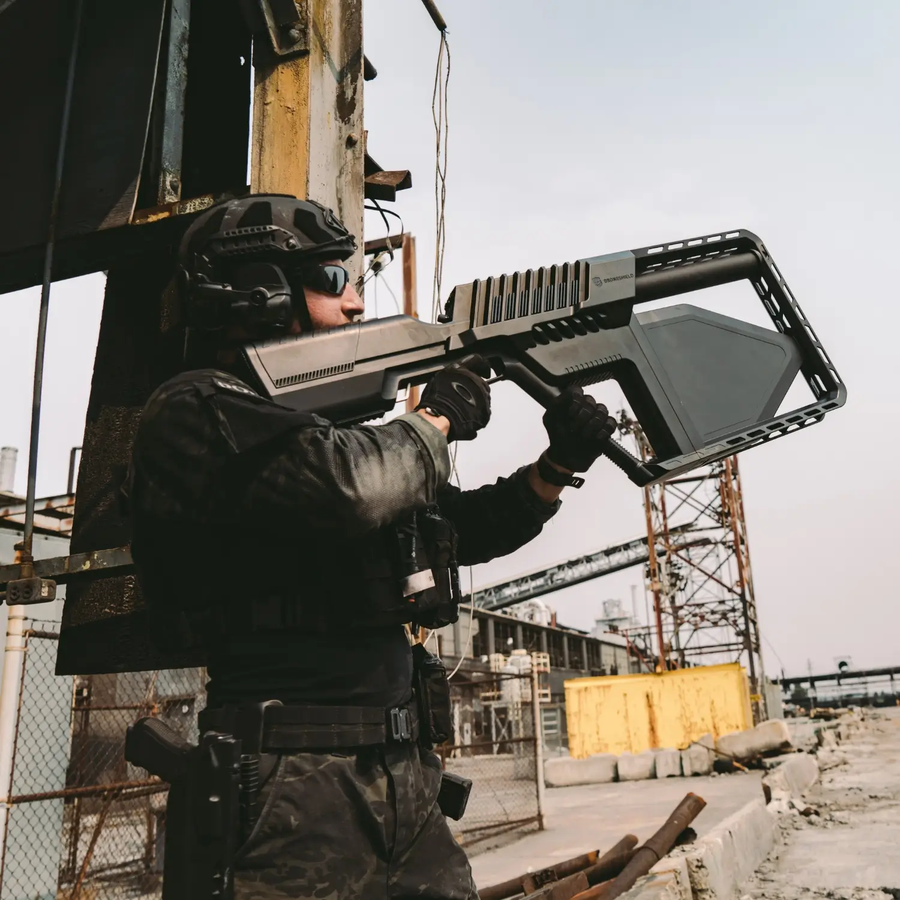
They also criticize potential windfalls for contractors like Dedrone and DroneShield, privacy risks from expanded local powers, and the potential for permanent surveillance overreach beyond events.
The business side of the left's argument is irrelevant. In any project like this, someone has to do the work, and materials will be required. Someone will get the contract, no matter what, and will be paid. It makes perfect sense to find the ideal balance of quality, time, and price.
The privacy invasion and overreach fears make more sense, and, in the digital age, are harder for the average person to defend against. Luckily, in the USA, we have stronger protections for citizen privacy than anywhere else in the world.
President Trump has threatened to relocate matches from cities that are not cooperating. Suppose they'd rather cling to their anti-police, anti-American, liberal ideals than allow the law and safety of the people to be protected. In that case, all the profits that businesses could've made will be made somewhere else, in a city that supports American defense and appreciates the extra support.