When every antagonist becomes a misunderstood victim, there are no heroes.
The cultural debate around fantasy storytelling has taken a new turn. The creators of Amazon’s Rings of Power series have publicly stated that they do not view orcs as evil. Instead, they argue that these classic villains were simply mistreated, marginalized, and pushed into conflict by prejudice from humans and elves.
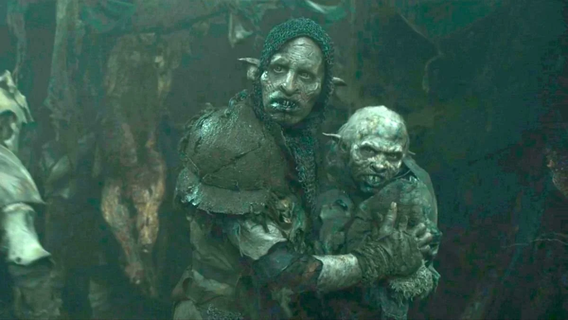
Amazon's The Rings of Power Season 2 sparked backlash for depicting an orc family, including a soldier bidding farewell to his wife and child before war, portraying orcs with sympathetic traits like reluctance to fight.
Showrunners J.D. Payne and Patrick McKay defended the scene, stating it draws from Tolkien's texts where orcs "multiplied after the manner of the Children of Iluvatar," implying families, and aimed to explore individual variation within their evil nature without breaking canon, but, like many liberals in entertainment, the source material means nothing to them.
Their justification sounds more like political messaging than respect for the original text.
The goal here is to push political ideals and link the “marginalized” orcs to minority groups, and to paint the “prejudiced elves” as the “evil white man.” Which, ironically, is one of the most racist things they could do.
Looking at where this mindset, at least partially, stemmed from, it wasn’t Tolkien or his fans that started linking orcs with “people of color,” but a liberal black professor.
For years, the University of Nottingham has offered a module titled "Decolonizing Tolkien" taught by Dr. Onyeka Nubia, which examines J.R.R. Tolkien's The Lord of the Rings through a “postcolonial lens,” arguing that orcs and dark-skinned groups like Easterlings, Southrons, and Haradrim represent "people of color" subjected to "ethnic chauvinism" and "anti-African antipathy." (Despite the orcs having skin tones ranging from pale white, to greens, to pitch black, and the Easterlings being described as having varying shades of skin like humans and even being confused for Dwarves at times.)
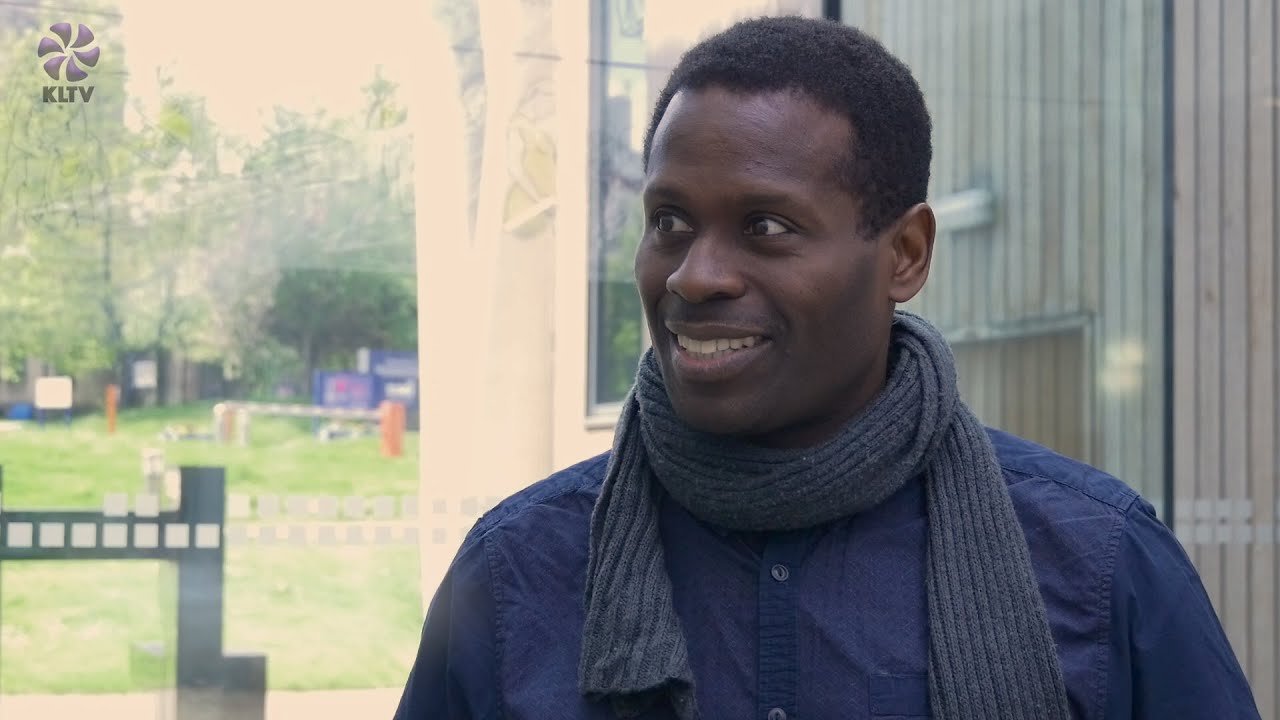
Dr. Nubia twists the words to frame these depictions as part of a British literary tradition casting Africans and non-Europeans as the "inherent adversary of the white man.” Many fans believe this academic trend is exactly what encouraged Amazon’s writers to inject modern racial narratives into the show.
His theory depends on mapping real world racial politics onto creatures Tolkien designed as corrupted monsters, not as representations of any human group.
This academic perspective clashes with those who uphold the traditional Tolkien narrative. Real fans argue that the reinterpretation strips Tolkien’s world of its moral clarity and turns a mythic struggle between good and evil into a lecture about “social intolerance.”
Supporters of the original lore also note that Tolkien himself (who invented orcs) wrote orcs as consciously corrupt beings who chose violence and domination, not misunderstood victims of systemic bias.
Tolkien described orcs as corrupted, capable of coherent speech and decisions, with evidence of offspring, and rejecting the view of them as mindless puppets, but viewing them as irredeemably evil overall.
Tolkien wrote in his letters that orcs were “fundamentally wicked” and that any hints of personality were only “a mockery of virtue,” not a sign of hidden goodness. That leaves very little room for the kind of moral reinterpretation the creators insisted on adding.
Amazon’s creative team insists that their view adds “nuance.” To them, there is no good or evil, no right or wrong - except when the perceived “wrong” is against a minority group, even a fictional one.
The more complex reality is revealed when we look at Hollywood’s pattern of the past decade. They have regularly turned the bad guys “good” and the good guys “bad,” mirroring the same far-left politics that a murderer or sex offender is “just misunderstood.” To them, every villain is a victim.
From Joker to movies romanticizing real serial killers, the pattern has continued, and now even into a fictional species whose entire creation is from mud and sinister dark magic.
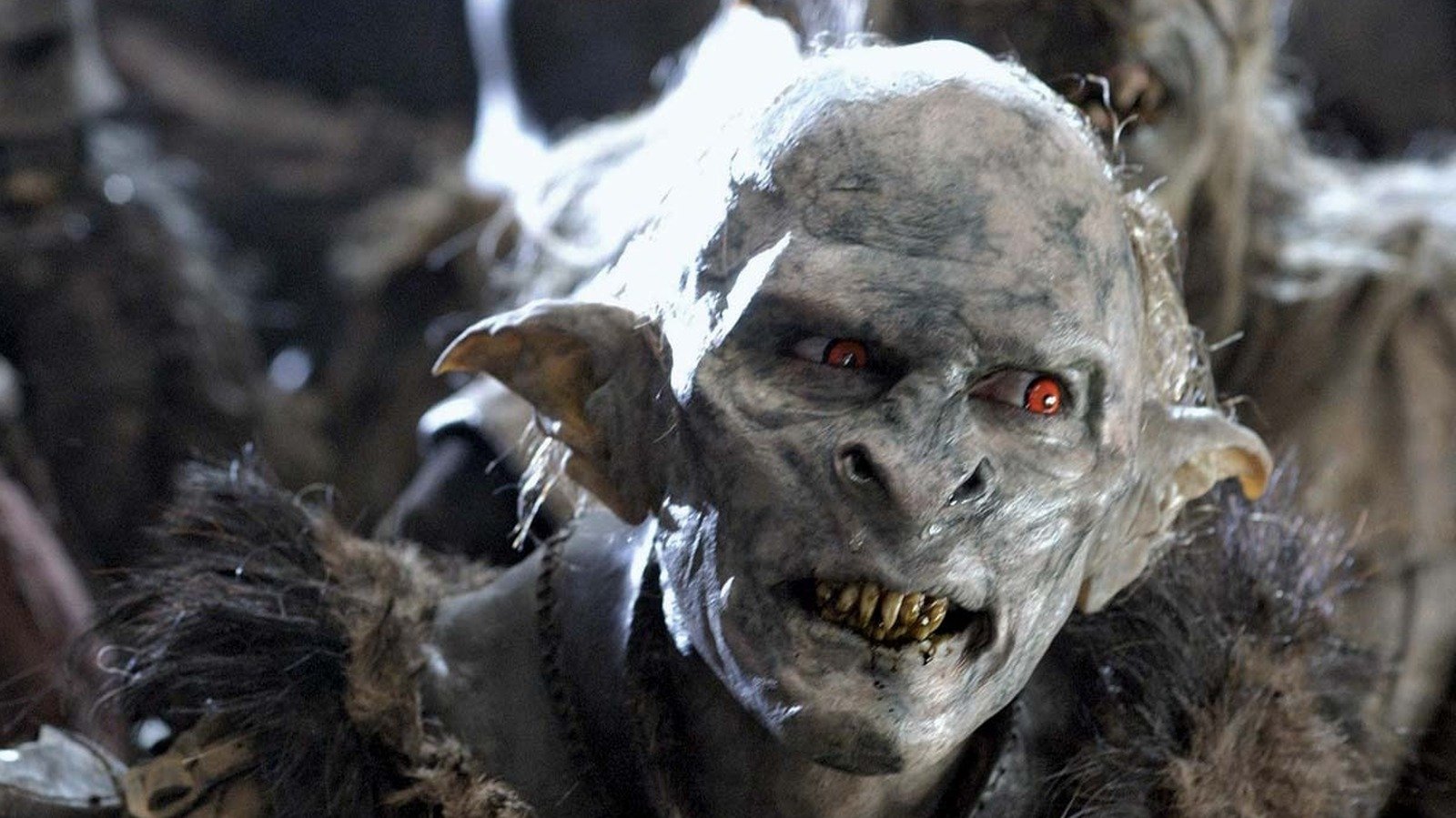
Fans and critics have labeled this trend as "woke revisionism,” arguing it humanizes inherently evil creatures, erodes moral clarity, and disrespects Tolkien's legacy of orcs as "perverse beasts" and "wicked fiends.”
The debate continues to circle across social media as traditional fans push back against what they consider a modern political filter applied to one of the most influential fantasy universes in history.
The issue is not whether a fictional creature can have a family. The problem is the (not so slow) steady replacement of good vs. evil with political allegory. Once that happens, the story stops being a story and becomes propaganda. Without clear evil, the stakes of heroism collapse, and the entire spine of a story bends into something unrecognizable.