President Trump wants Greenland, and he makes no secret of why.
Chinese mining firms are circling the island’s rare earths, and Russian submarines are already probing the new Arctic sea lanes as the ice retreats. Denmark holds the deed but cannot defend the territory. Trump puts cash on the table, offering to buy Greenland outright. Copenhagen says no, again and again. Trump answers with tariffs, targeting Denmark and seven European countries, choking their trade until they give up control. The move hits a Danish government that spends billions just to keep Greenland’s lights on.
Trump announced 10% extra tariffs on a range of European countries that obstruct the US from "acquiring" (nobody is looking for a total takeover, as the ignorant liberals claim, but for military and business access) Greenland. Trump says the extra 10% tariffs on Britain, France, Germany, Denmark, and a few other countries will remain in place until a deal is struck.
Jens-Frederik Nielsen holds power as Greenland's premier after winning office in 2025. His Demokraatit party built a large coalition government controlling most seats in the 31-member parliament. That coalition includes Siumut, Inuit Ataqatigiit, and Atassut parties. Naleraq stays in opposition and openly supports closer American ties.

Nielsen rejects Trump's demands and claims Greenland stays under Danish rule. Greenland operates under self-rule, per a 2009 agreement that covers local matters. Denmark controls foreign policy and defense and issues currency. Copenhagen sends about 3.9 billion kroner in annual subsidies that pay for half the government budget. Greenland has no other funding source ready to replace Danish money.
Fishing accounts for 90 percent of Greenland's exports, with a total GDP of around $3.3 billion. Shrimp catches decline sharply, and halibut stocks follow suit. Denmark covers half the public spending through grants. Economic growth dropped below 1 percent as state companies cut dividends and cash reserves hit low levels. The population numbers about 57,000, but shrinks as young people leave and birth rates stay low. Labor shortages affect every industry and block expansion plans. Mining deposits hold zinc, rare earths, and iron ore that promise large profits. Those sites require billions for roads, ports, and power plants. Denmark refuses to spend the money. China bids on airport and mine projects, but Denmark blocks deals over security concerns. Tourism brings in money from visitors who see ice fields. Oil and gas exploration is subject to bans due to environmental regulations.
The US already runs Pituffik Space Base for missile defense and NATO radar. Trump wants more bases to lock down the Arctic shipping lanes. Denmark’s Joint Arctic Command in Nuuk is mostly watching Russian subs far off. China has been trying to buy up mines and build infrastructure since 2005, but Denmark blocks the big deals. China still buys most of Greenland’s fish and tries to fund research stations. Russia and China are running Arctic operations right up to Alaska. Both want the same resources and routes.
On January 17, Trump slapped tariffs on Denmark, Sweden, Norway, Finland, France, the Netherlands, and the UK. The rate starts at 10 percent on February 1 and climbs to 25 percent by June if there’s no Greenland deal. American lawmakers fly to Denmark to negotiate. Vice President Vance and others meet with Danish and Greenlandic officials.
The focus is more on US military bases, and for now, Trump holds back on talking about a "full takeover," which many seem to mistakenly view the potential deal as. Denmark stands firm against any deal, for no real reasons. Nielsen wants American investment but refuses to budge on "sovereignty." The tariffs squeeze Denmark’s ability to fund Greenland, and local leaders now face a choice: take US money or watch Danish support vanish and businesses crumble.
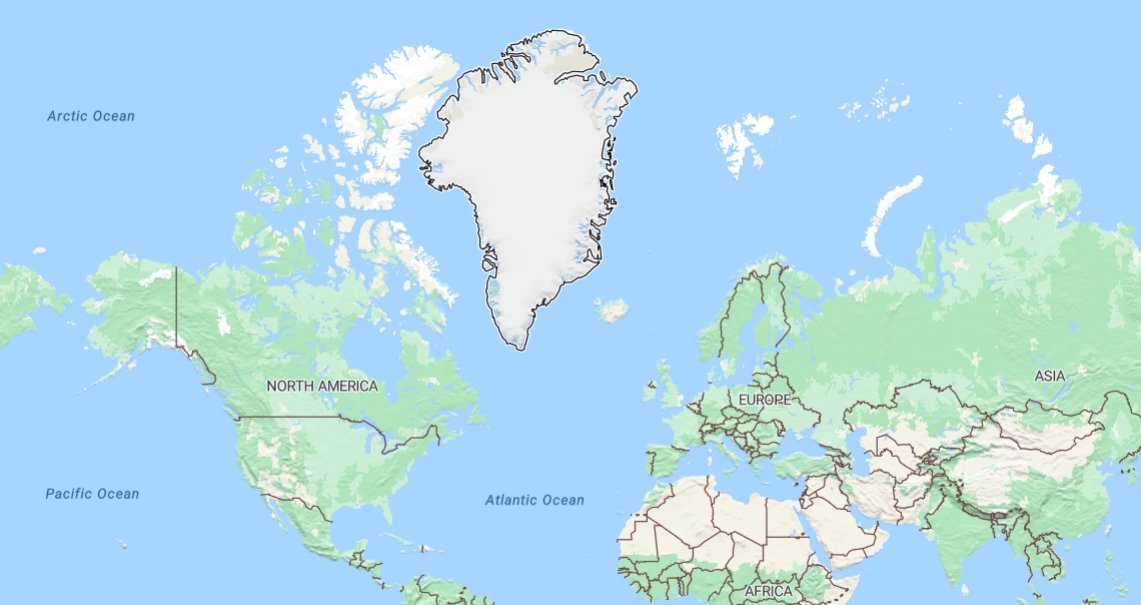
Tight borders block foreign threats at the northern edge. Trump forces Denmark to choose between trade losses and “losing” Greenland. Europe left the territory vulnerable to rivals because of its weak defenses. American control stops China and Russia from turning Arctic resources against the West.