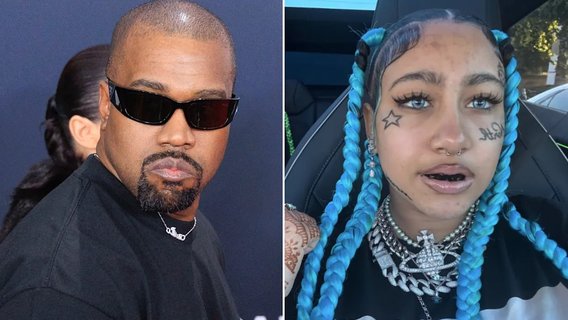
Kanye West faced nonstop ridicule a few years ago when he said he did not want his young daughter, North, on social media. He explained it would expose her too early to the worst parts of the internet, the judgment, the exploitation, the pressure to perform for strangers.

People called him controlling, overprotective, even paranoid. The criticism came from every corner, especially from those who think kids need unlimited screen time to express themselves.

Fast forward to now. North West, at 13, has her own social media accounts. She is posting videos and photos that many describe as highly cringe and way too mature for her age. The content includes heavy makeup, provocative poses, and outfits that look pulled straight from adult influencers.
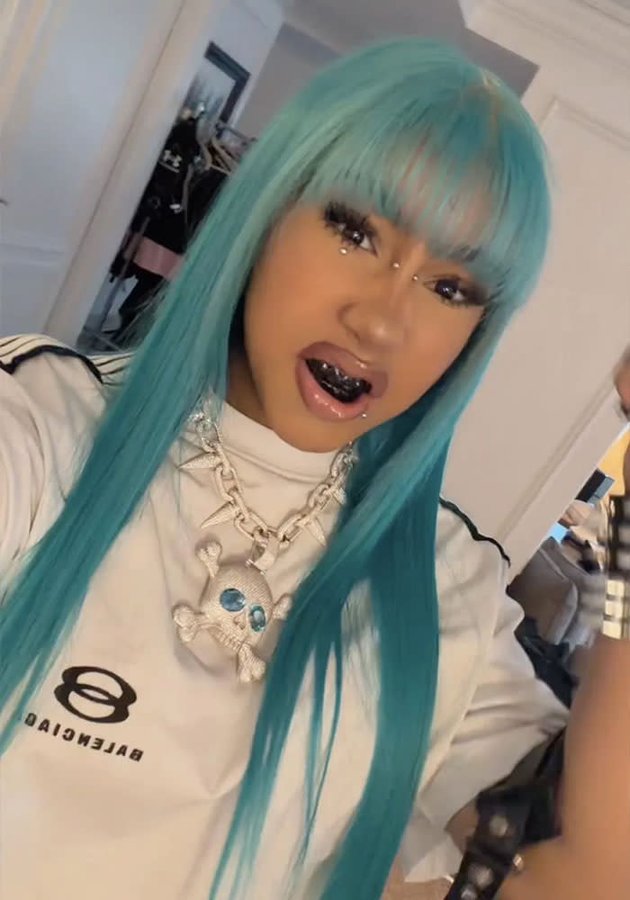
She talks directly to the camera in ways that feel rehearsed for likes and attention, complete with filters, dances, and captions that chase trends hard. The “style” is the kind of thing that makes parents wince because it screams early sexualization and a race for validation from weird adult strangers online.
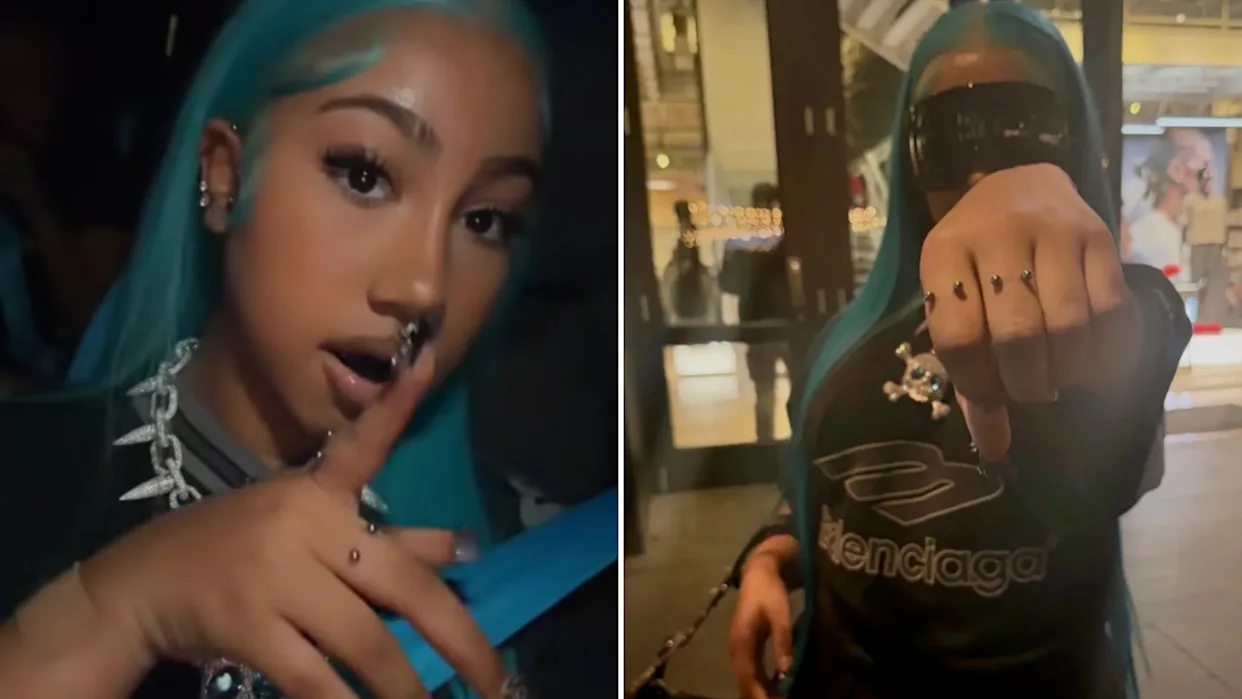
Thousands of users who once trashed Kanye are now posting apologies. They say things like "Ye was right," "I owe him an apology," and "This is exactly why he tried to keep her off." The shift happened quickly after her accounts went public. Screenshots and clips spread fast, and the backlash against her content turned into regret toward Kanye.
People see the difference between a protected childhood and the instant exposure of social media. They realize he was not being controlling. He was trying to protect her from a system that turns children into wannabe mini-celebrities for profit and clicks.
Kanye spoke from experience. He has spent his life in the spotlight, watched how fame twists people, and knew the internet would do the same to his daughter if she jumped in too soon. The apology wave shows how many parents and former critics now recognize that boundary. Social media pulls them into a machine that rewards attention-seeking, pushes boundaries, and ages them up fast.
North's posts are a clear example. What should be private growing-up moments are now public entertainment for millions, with every like feeding the cycle.
Parents who set firm limits on social media for kids are not the problem. The platform itself, the "algorithm," and the culture around it are the real problem.