
Several prominent Minnesota Democrats accepted campaign contributions from individuals now accused of orchestrating one of the largest welfare fraud schemes in U.S. history, centered on the nonprofit Feeding Our Future.
The same network that Senator John Kennedy blasted for looting Minnesota’s welfare system also helped bankroll the Democrats who were supposed to be watching it. The case shows how a supposedly charitable program to “feed the children” doubled as a money pipeline for a tight Minnesota Democrat network and its allies in the Somali community.
The food program was intended to, at least on paper, provide meals to low‑income children; federal indictments allege that tens of millions of dollars were instead diverted into luxury cars, international travel, and real estate. We now know some of the funds also went straight back into campaigns for the corrupt politicians at the top.
In one charging document, a supposed meal site that claimed to serve thousands of children a day was little more than a small office with no kitchen and no sign of large‑scale food service.
Campaign‑finance records show that Attorney General Keith Ellison received roughly $10,000 from businessmen later tied to the Feeding Our Future network, delivered through a series of maximum‑limit checks across multiple cycles.
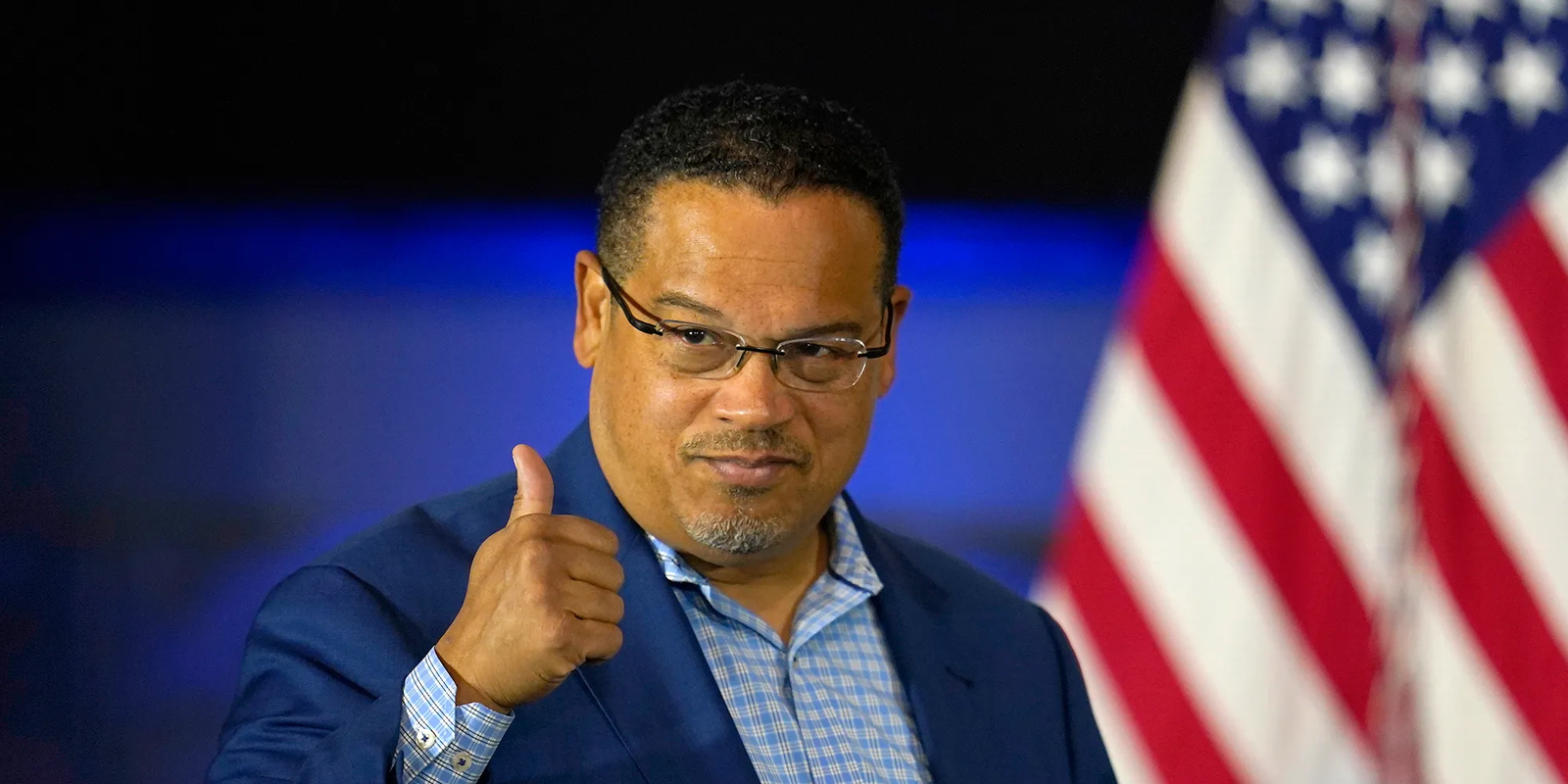
Minneapolis Mayor Jacob Frey’s campaign reported thousands of dollars from the same group of donors, while Minneapolis City Council member Jeremiah Ellison and state Senator Omar Fateh likewise booked several thousand and tens of thousands of dollars, respectively, from contributors now linked to the case.
In total, more than $30,000 in donations (that have been discovered so far), from figures now tied to the fraud, flowed into those four campaigns alone.
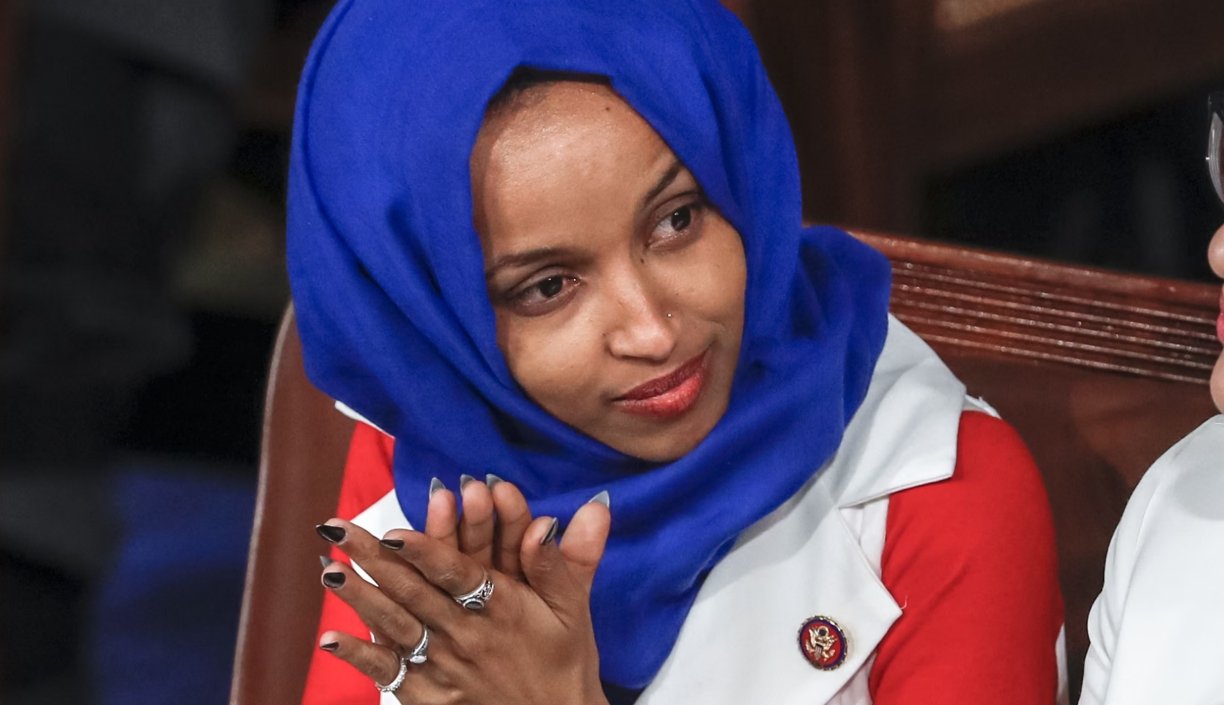
At the federal level, Representative Ilhan Omar supported changes that helped expand the meal‑reimbursement program at the center of the fraud, even as the program’s leading operators in her district later showed up as donors to Democratic campaigns in Minnesota.
According to prosecutors and state auditors, the fraud depended on rapid expansion with weak verification. Reimbursements to meal providers climbed sharply, and a web of nonprofits and partner companies claimed to be serving large numbers of children at sites across Minnesota that, in many instances, either did not operate at the claimed scale or barely existed beyond paperwork. Internal warnings, media questions, and complaints from whistleblowers were often delayed, minimized, or met with accusations that critics were targeting immigrant communities rather than the genuine abuse of public funds.
The outcome was a one‑way flow of public money out through inflated contracts and false claims, and a quieter flow of political money back from the same network into the campaigns of officials overseeing the system.
Dozens of defendants have now been charged, and many have entered guilty pleas, while the elected officials who benefited from the donations insist that they were "unaware" of any wrongdoing and have not been charged.
Critics argue that, at minimum, the financial ties and the long list of ignored red flags raise serious questions about why oversight failed for years and whether political considerations shaped how aggressively concerns were pursued.
For Minnesota taxpayers, the cost is measured not only in the hundreds of millions of dollars that prosecutors say were stolen, but also in meals that were never served and services that never reached American families who qualified for help.
Real Americans get fewer services, higher taxes, and one more reason to distrust the people running their government. Immigrant criminals and liberal politicians walk away with the cash and the power.
The question then is whether a state dominated by a single party, heavily invested in ever‑larger welfare programs and dependent on tightly organized “community partners,” can realistically be expected to police the same networks that help keep its leaders in office.
On the evidence so far, the answer is no.