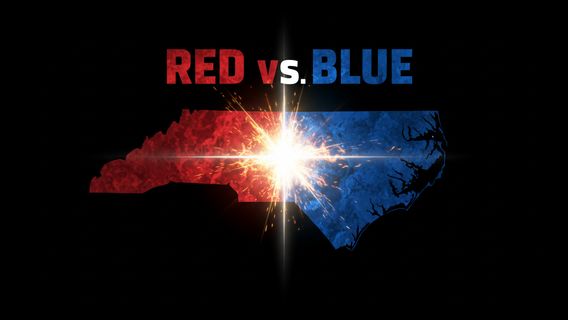
If the GOP fails to rally around a strong, unapologetic message on borders, families, and traditional values, the seat left open by Thom Tillis's retirement becomes a prime pickup for Democrats, turning the Carolinas into another frontline for progressive overreach that targets rural communities, Christian principles, and self-reliant Americans.
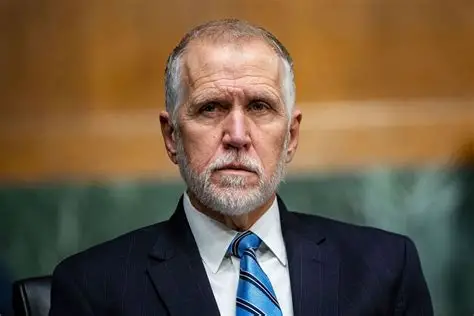
North Carolina faces a high-stakes U.S. Senate contest in 2026 following Senator Thom Tillis's decision not to seek reelection after two terms. The open seat has drawn immediate attention as one of Democrats' top targets nationwide, with polling showing former Governor Roy Cooper in a strong position against Republican Michael Whatley.
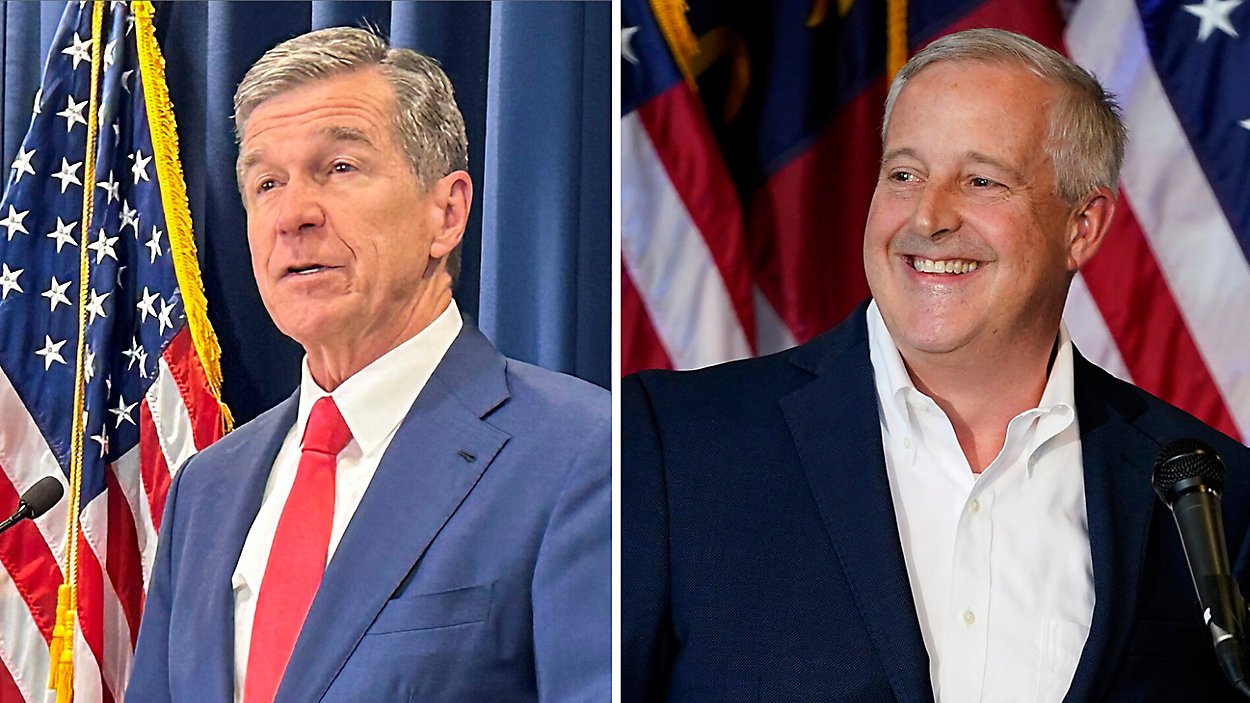
Roy Cooper, who served as governor from 2017 to 2025 and previously as attorney general, brings a long record of statewide wins and high name recognition. He announced his Senate bid in July 2025, positioning himself as a moderate Democrat with proven appeal in a battleground state. Cooper has raised significant funds, reporting over $9.5 million in the fourth quarter of 2025 alone, much of it from small donors across all 100 counties, giving him a financial edge over Whatley, who pulled in about $5.1 million in the same period.
GOP candidate Michael Whatley has said Cooper bears “direct responsibility” for the deadly Aug. 22 attack on Iryna Zarutska because of a commission he created in June 2020 to address racial inequity in the criminal justice system. The panel’s unveiling occurred weeks after the death of George Floyd at the hands of Minneapolis police.
Whatley, former chairman of the Republican National Committee, entered the race with President Trump's endorsement and recruitment. Whatley resigned from the RNC in August 2025 to focus on the campaign, framing himself as an America First conservative ready to deliver for North Carolina families. He leads the Republican primary field decisively, with polls showing him 30 points ahead of rivals like Don Brown and Michele Morrow, making him the clear nominee barring major shifts.
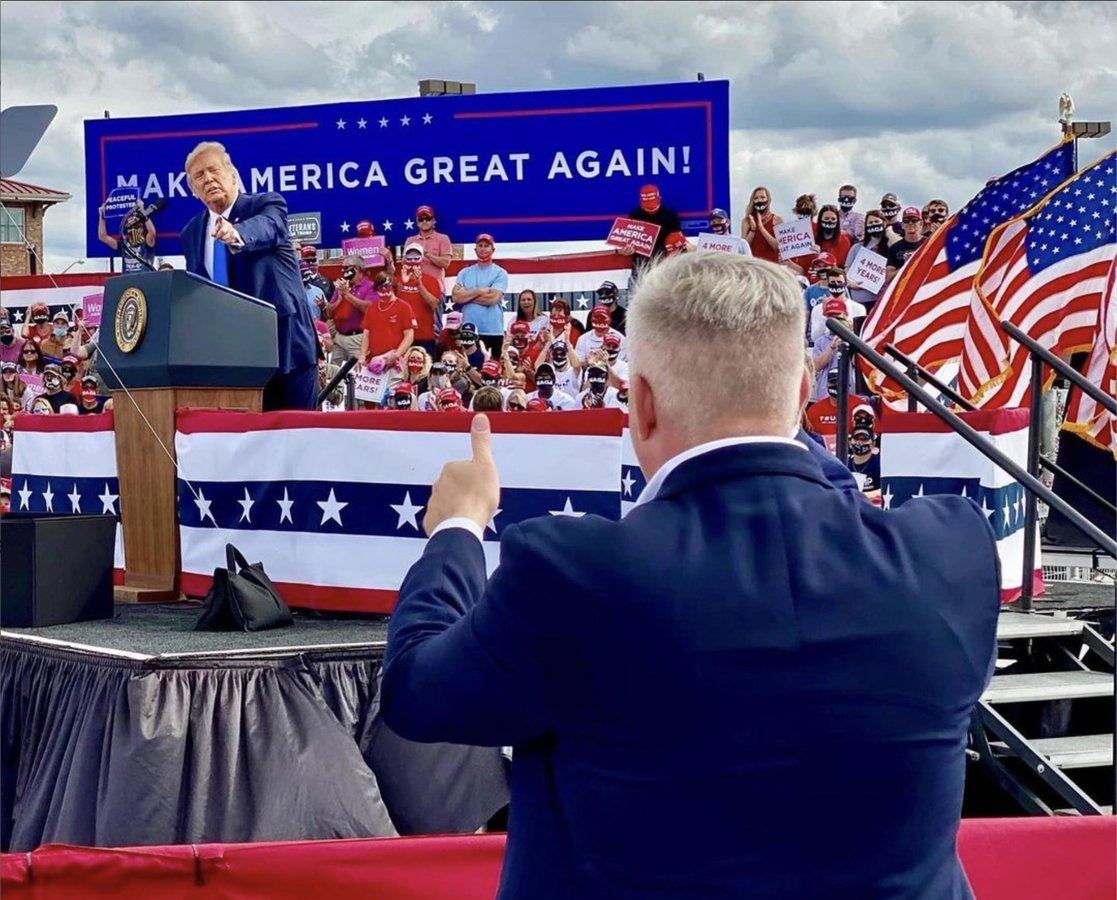
Yet early head-to-head polling paints a challenging picture for Republicans. A TIPP Insights survey released in January 2026 for the League of American Workers shows Cooper at 48 percent and Whatley at 24 percent among likely voters, a 24-point gap that highlights Whatley's struggle to consolidate support beyond the primary.
Other surveys narrow the margin but still favor Cooper. Carolina Forward's January 5-7 poll has Cooper leading 47 percent to 42 percent with 9 percent undecided, a 5-point edge down slightly from a 7-point lead in September 2025. RealClearPolitics average places Cooper ahead by 4.7 points at 46 percent to 41.3 percent, drawing from multiple sources including Harper Polling for Carolina Journal showing leads of 8 to 10 points in late 2025.
These numbers reflect broader vulnerabilities. Cooper benefits from strong favorability among independents and younger voters, while Whatley consolidates Republican support but trails in overall appeal. The race remains fluid, with high undecided percentages in some polls and potential for shifts as campaigns intensify, but the trend favors Democrats in a state where they have not won a federal statewide race since 2008.
North Carolina mirrors Virginia's pre-flip dynamics in key ways. Rapid growth in urban areas like Charlotte and the Research Triangle has brought in new voters, many from out of state, shifting demographics toward more liberal preferences.
College towns such as Chapel Hill and Durham fuel progressive activism, while national Democratic money pours in to support candidates like Cooper. Republicans risk repeating Virginia's mistake, where complacency allowed full Democratic control leading to aggressive pushes on gun control, reduced ICE cooperation, and policies that burden taxpayers while prioritizing migrants and urban interests.
If Democrats capture the Senate seat and build on their legislative gains, expect similar outcomes in Raleigh. Gun rights could face new restrictions, mail-in voting expansions might entrench advantages, and funding for migrant services could drain resources from citizens. Parental rights in education, rural traditions, and enforcement of immigration laws stand vulnerable under a blue wave that views traditional America with suspicion.
The GOP establishment's reliance on safe, consultant-driven messaging about bipartisanship fails to energize the base that demands real fights on borders, family protection, and cultural preservation. Whatley's Trump ties offer potential, but the polling gap shows the need for sharper contrast against Cooper's record and clearer appeals to voters who built the state.
This Senate race serves as the critical test. A Cooper win solidifies Democratic momentum, making North Carolina harder to hold red in future cycles and risking the South's political balance. Republicans who sleepwalk through this, settling for weak campaigns or internal divisions, share responsibility if the state slides further left.
Patriots across North Carolina must treat this as urgent. Build grassroots efforts, demand candidates who fight without apology for secure borders, strong families, and the values that define the state.
Support Whatley or whoever emerges as the nominee with the intensity needed to close the gap and prevent Raleigh from becoming another liberal-run crazy-land.