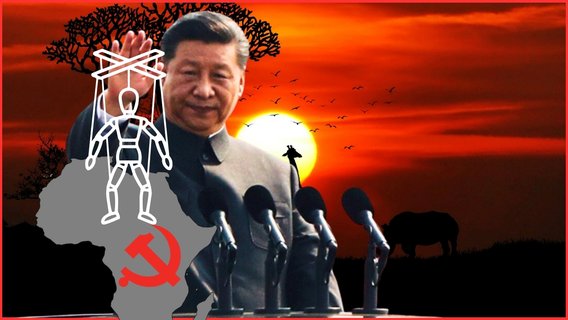
Chinese President Xi Jinping sent a congratulatory message to the African Union Summit held in Addis Ababa, Ethiopia, on February 14, 2026.
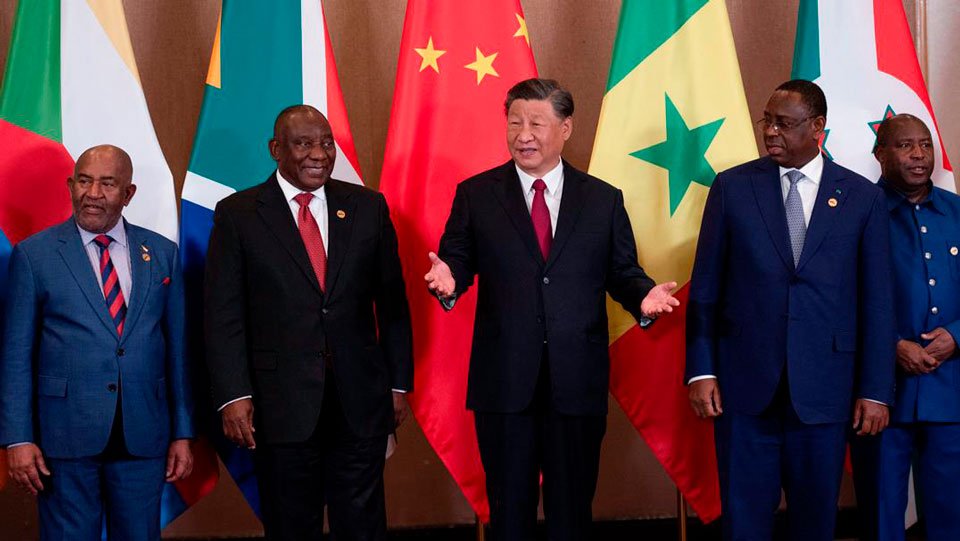
In the message, Xi stated that China will fully implement zero-tariff treatment for imports from 53 African countries with which it has diplomatic relations. The policy begins May 1, 2026. Eswatini is excluded because it maintains diplomatic relations with Taiwan.
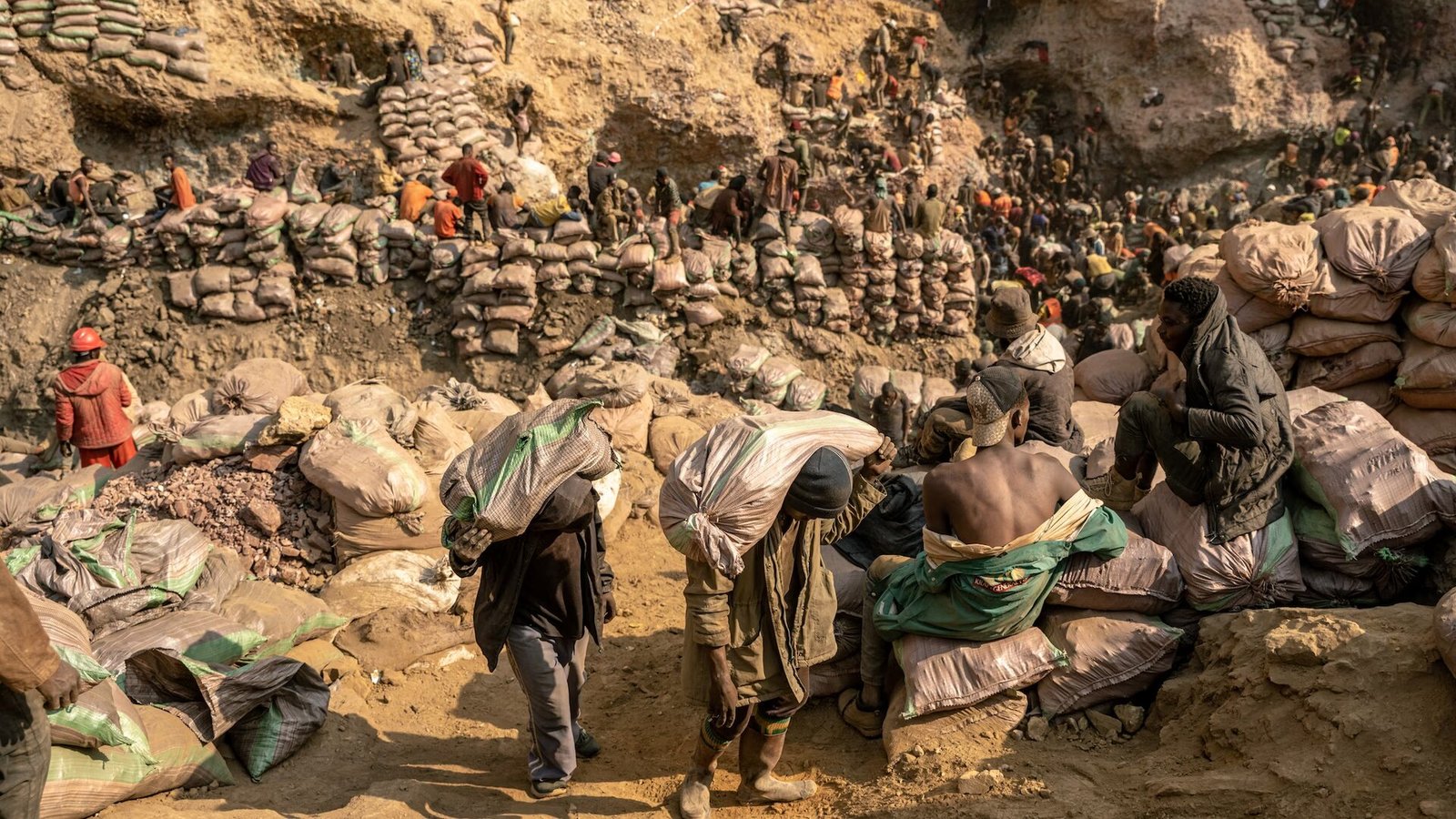
China already lets 33 of Africa’s poorest countries ship goods in duty-free. Now, bigger players like Nigeria, South Africa, Kenya, Egypt, and Morocco are on the list. Xi claims this is about helping Africa, but Beijing is after more trade deals and faster customs for African exports. As always, the real winners are Chinese companies. This just tightens China’s hold as Africa’s top trading partner. For years, Chinese companies have flooded Africa with money for infrastructure, mining, and energy projects, all under the Belt and Road banner.
African governments are now hooked on Chinese loans and construction. The result is massive debt and a steady stream of resources and profits heading straight back to China.
The Chinese Communist Party (CCP) has no problem working with regimes that enforce hardline Islamic rule or battle radical insurgencies. Many countries on the zero-tariff list are run by governments either fighting or cooperating with groups like Boko Haram and al-Shabaab. These deals give Beijing more leverage and votes in international bodies, helping China push back against the West and tighten its grip at the United Nations.
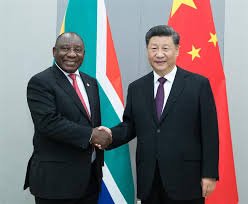
In August 2025 Xi hosted South African President Cyril Ramaphosa in Beijing for a state visit, followed by a bilateral meeting at the BRICS summit in Kazan, Russia, in October. During these talks Xi pledged over $10 billion in new Chinese investment in South African mining, infrastructure, and energy projects, securing access to critical minerals such as manganese, platinum, and chrome.
Ramaphosa reciprocated by endorsing China's Belt and Road Initiative and reaffirming support for Beijing's position on Taiwan. These deals come as white South African farmers endure ongoing attacks, with at least 68 confirmed farm murders in 2025 according to AfriForum and the Transvaal Agricultural Union, many involving brutal home invasions targeting elderly landowners.
Ramaphosa's government has consistently refused to declare the violence a national crisis or acknowledge its racial dimension, while China praises South Africa's land expropriation policies without compensation and offers no criticism of the killings.
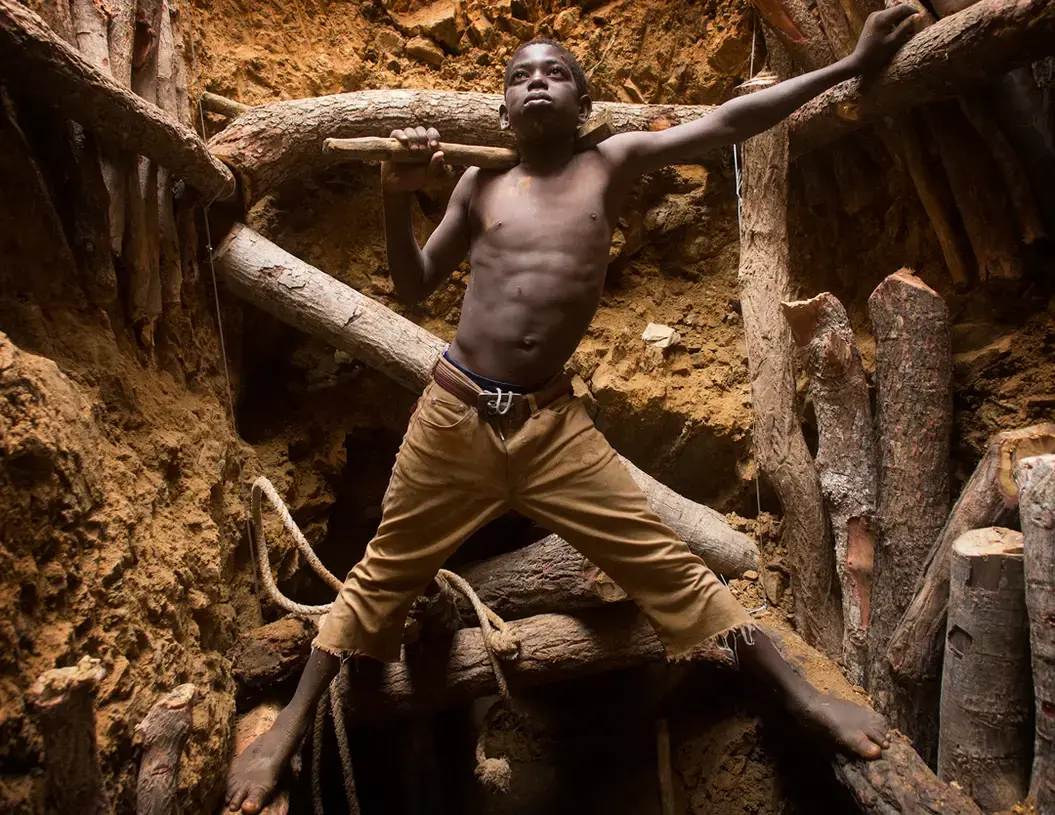
China has thrown billions at Africa, not out of charity, but for its own gain. Most Belt and Road projects have left Africans with more debt and little to show for it, while Chinese companies grab the natural resources. This zero-tariff move is just more of the same. It’s about keeping African nations dependent on Beijing, not helping them stand on their own two feet.
China is laying down a direct line from its mainland, through the Middle East, right into Africa.
China has deepened its strategic alliance with Iran in recent years, supplying components and technology that end up in the hands of terrorist groups like Hamas and Hezbollah.
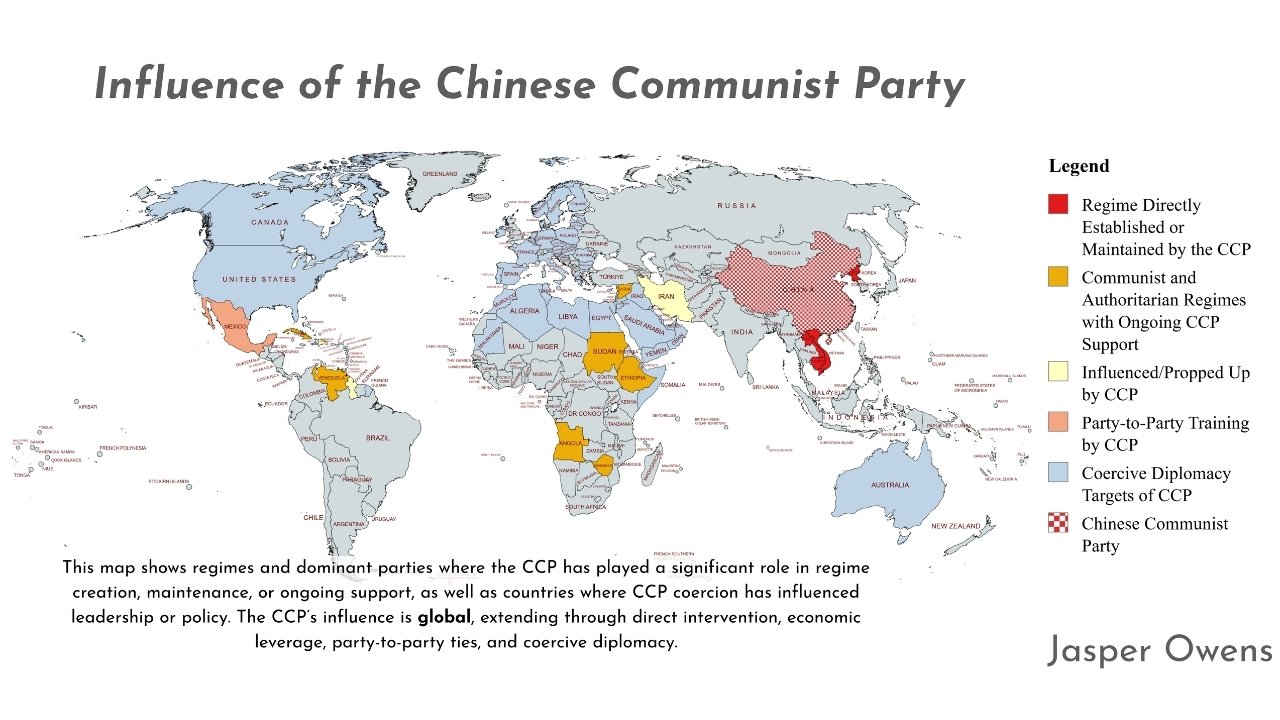
Iranian officials and U.S. intel have repeatedly confirmed that Chinese-made drones, missile parts, and dual-use materials flow through Tehran to these proxies. In 2024 and 2025, multiple cargo shipments from Chinese ports to Iranian Revolutionary Guard bases contained drone engines, guidance systems, and chemical precursors for explosives, according to U.S. intelligence assessments reported by Reuters and the Wall Street Journal.
The partnership serves Beijing's interests. Iran provides China with discounted oil, a steady energy supply outside Western sanctions, and a reliable partner to counter American influence in the Middle East.
In return, China sells weapons components without direct traceability, allowing Tehran to arm Hamas in Gaza and Hezbollah in Lebanon. Hezbollah leader Hassan Nasrallah publicly thanked Iran in a September 2024 speech for advanced drones used against Israel, many of which incorporated Chinese technology.
We should closely watch anything China does, and see through the masks of “prosperity” and “democracy.”